-
Online Therapy For Toronto And Throughout Ontario
-
865 York Mills Rd #20, Toronto, ON M3B 1Y6


Understanding Pain and Trauma
Unlocking the profound connection between trauma and chronic pain can move you towards holistic healing and reclaiming your life.


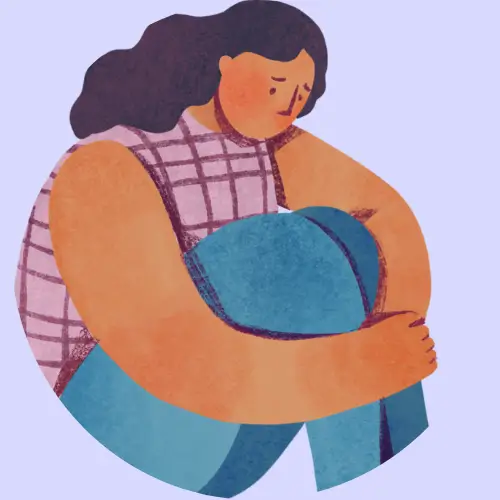

Trauma and chronic pain are profoundly connected. Physical and emotional pain is influenced by many factors, including traumatic experiences. At Sky Therapies, we can help you understand this relationship and provide comprehensive care and support so you can heal from past experiences. Your past does not have to control your future.
Trauma refers to distressing or harmful events that overwhelm your ability to cope, leaving lasting emotional and psychological scars. These events can include accidents, natural disasters, abuse, violence, or loss. Trauma can deeply impact your sense of safety, trust, and well-being, shaping your perception of yourself and the world around you.
Pain includes physical sensations as well as emotional and psychological dimensions. In the context of trauma, the experience of pain becomes even more complex. Body and mind do not inhabit parallel universes.
Research indicates that a substantial portion of individuals experience chronic pain in conjunction with or as a result of underlying trauma. According to the National Library of Medicine, up to 80% of individuals with a history of trauma report chronic pain.
Adults who experienced trauma during childhood may be more likely to experience chronic pain as a result of the lasting impact that early experiences have on the body and mind. The emotional distress from childhood trauma can manifest as physical symptoms, exacerbating pain sensations and contributing to the development of chronic pain conditions later in life. Childhood trauma can sensitize the nervous system, making you more susceptible to physical discomfort and pain.
Chronic pain and PTSD are mutually maintaining conditions. This means that traumatic experiences contribute to the escalation of pain symptoms and distress. It also means that chronic pain can make it more difficult to recover from PTSD.
Chronic pain stemming from trauma can persist long after the traumatic events occur. Enduring pain can be debilitating. Your daily life can be impacted — reduced mobility, poor sleep quality, and overall reduced physical and emotional well-being.
You may experience pain, headaches, gastrointestinal issues, muscle tension, or other physical symptoms driven by emotional distress caused by trauma. Often, people with physical symptoms seek medical attention time and time again but are frustrated with no diagnosis. Addressing the root cause of your distress can help.
Simple tasks that were once taken for granted may become difficult, diminishing your ability to engage in work, social activities, or hobbies. The constant presence of pain can also lead to feelings of frustration, hopelessness, and isolation, exacerbating the emotional toll of trauma.
Traumatic events can inflict emotional wounds that penetrate deeply into the psyche, leaving you struggling with intense feelings of fear, helplessness, and despair. The emotional toll of trauma can impact your life in different ways, including relationships, work, and overall well-being. You may struggle to regulate your emotions, experience intrusive memories or flashbacks, and have difficulty trusting others or feeling safe in your environment.
The complex relationship between pain and trauma is deeply rooted in neurobiological mechanisms that profoundly impact our physical and mental well-being. The brain’s limbic system, which regulates emotions and memories, becomes hyperactive in response to trauma, leading to a heightened state of alertness. This can result in a hypervigilant state where we are more attuned to potential threats.
Trauma can lead to changes in brain structure and function, particularly in areas responsible for processing pain and regulating emotions. These changes can contribute to the development of Post Traumatic Stress Disorder (PTSD), depression, anxiety, and other disorders which are often comorbid with chronic pain. Individuals may experience intrusive thoughts, flashbacks, and nightmares related to their traumatic experiences, further exacerbating their pain symptoms and compromising their overall well-being.
Treatment for trauma and chronic pain requires a comprehensive approach that addresses both the physical and psychological aspects of the condition. Here are some key components of effective treatment:
By addressing both the physical and psychological aspects of trauma and chronic pain we can provide comprehensive care that promotes long-term recovery and well-being.
If you’re ready to embark on a journey of healing and reclaiming your life from the grip of trauma-induced chronic pain, reach out today. By seeking help, you’re taking an empowering step towards reclaiming your sense of self and building a brighter, more resilient future.
Serving the following areas: Toronto, Ontario, North York, Ontario, Markham, Ontario, Ottawa, Ontario, Vaughan, Ontario, Guelph, Ontario, Brampton, Ontario, Windsor, Ontario, St. Catharines, Ontario, Oshawa, Ontario, Kingston, Ontario, Timmins, Ontario, Scarborough, Ontario, Oakville, Ontario, Peterborough, Ontario, RIchmond Hill, Ontario, Whitby, Ontario, and all of Ontario online