



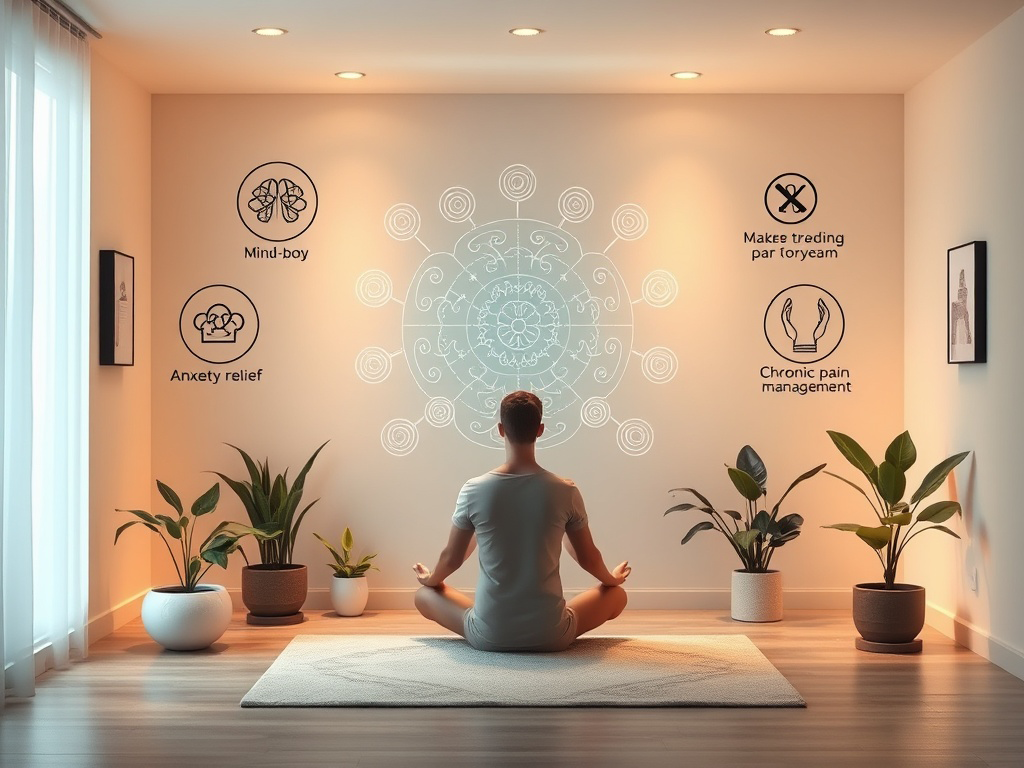
Living with chronic pain can feel like carrying an invisible burden that others cannot see or understand. What makes this experience even more challenging is how closely anxiety and chronic pain are connected, creating a cycle that can feel impossible to break. If you are dealing with both anxiety and chronic pain, know that you are not alone, and there is hope for healing.
When you learn to understand the mind-body connection and your own nervous system, the situation becomes less daunting. So, let’s take some critical steps to demystify what’s going on and move forward into new patterns and approaches.
The Mind-Body Connection
Our brains are remarkably adaptable, and neuroplasticity plays a crucial role in both chronic pain and anxiety. Over time, when we experience pain, our nervous system can become hypersensitive, interpreting normal sensations as threatening. This same sensitivity often extends to emotional experiences, making us more prone to anxiety and worry.
The relationship between anxiety and chronic pain works both ways. Anxiety can amplify pain signals, making discomfort feel more intense than it actually is. Meanwhile, persistent pain can trigger anxiety as our minds naturally worry about when the pain will return, how long it will last, or what it might mean for our future.
Understanding Your Nervous System
Your nervous system is constantly working to protect you, but sometimes it becomes overprotective. When dealing with chronic conditions like fibromyalgia, chronic fatigue, or persistent pain syndromes, your brain may have learned to stay on high alert. This hyper vigilance serves a purpose initially, but it can maintain both pain and anxiety even when there is no actual danger present.
Breaking the Cycle
The good news is that because our brains are neoplastic, they can learn new patterns. Here are some ways to begin interrupting the anxiety-pain cycle:
Mindful Awareness
Start noticing the connection between your thoughts, emotions, and physical sensations without judgment. If anxiety arises, observe how your body responds. When pain flares, notice what thoughts and feelings come up. This awareness is the first step toward change.
Breathing and Grounding
Simple breathing exercises can help calm both anxiety and pain responses. Try breathing in for four counts, holding for four, and exhaling for six. This activates your parasympathetic nervous system, signaling safety to your brain.
Gentle Movement
Movement that feels good to your body can help retrain your nervous system. This might be gentle stretching, walking, or even small movements while sitting. The key is choosing activities that feel nourishing rather than demanding.
Reframing Your Relationship with Symptoms
Instead of fighting against anxiety and pain, try approaching them with curiosity and compassion. What might your symptoms be trying to communicate? Sometimes our bodies use pain and anxiety to signal that we need rest, boundaries, or emotional support.
The Role of Safety
Both anxiety and chronic pain often involve a nervous system that does not feel safe. Creating a sense of safety – emotionally, physically, and relationally – can be transformative. This might include setting healthy boundaries, creating calming environments, or working with a therapist who understands trauma-informed approaches.
Moving Forward with Hope
Healing from the anxiety-chronic pain cycle is possible, and individual therapy can play a significant role. Remember that your pain is real, your anxiety makes sense, and you deserve support in finding relief. Small steps toward healing can create meaningful changes over time. Your nervous system learned these patterns of protection, and with the proper support and techniques, it can learn new patterns of safety and calm.
You are stronger and more resilient than you may realize. Take it one day, one breath, one moment at a time. I’d love to talk with you soon.