



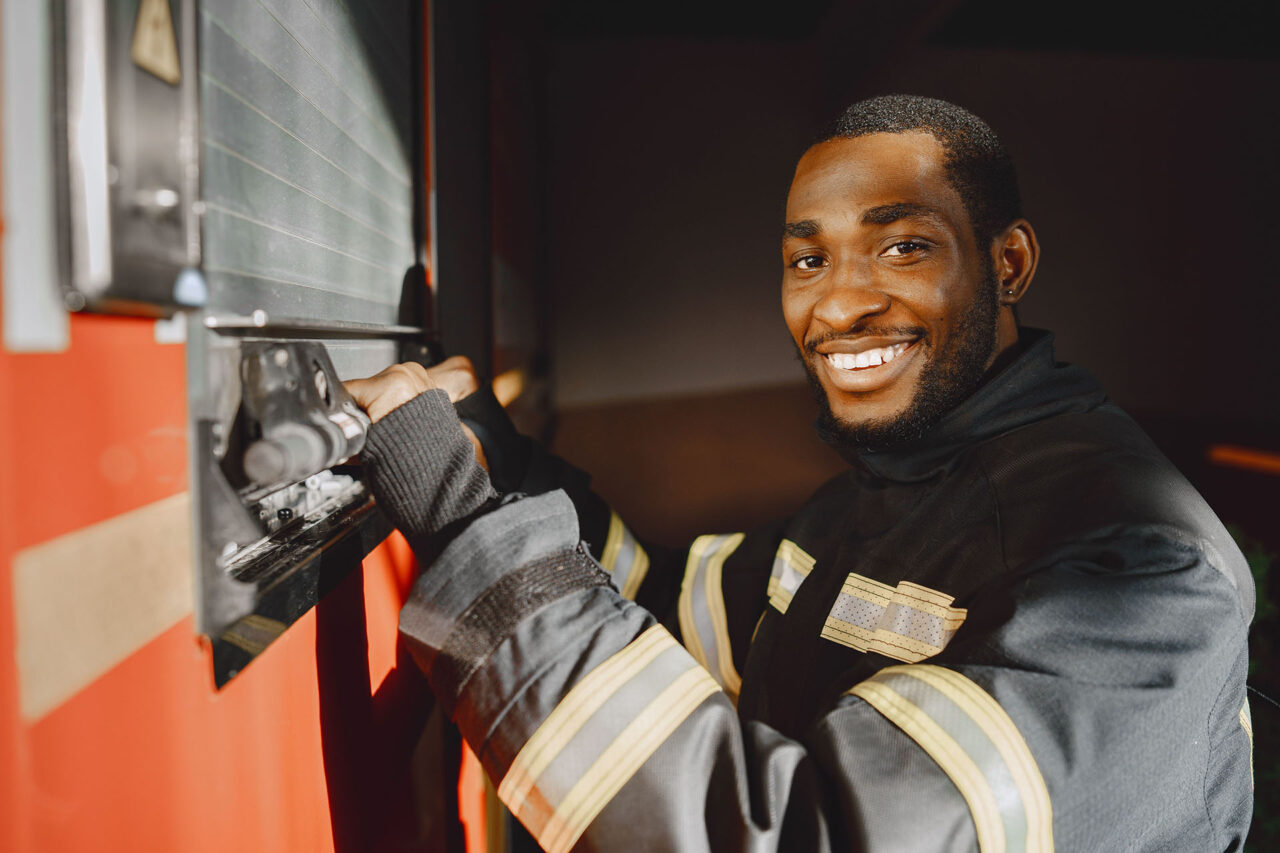
Firefighters are trained to move toward emergencies, stay focused, and keep going when other people are overwhelmed. But the body still keeps track of what it has seen, heard, smelled, and carried.
Sometimes firefighter trauma is connected to one major incident. Other times, it builds quietly through hundreds of calls that seemed manageable at the time. A medical call here. A fatal collision there. A child-related call. A fire that smelled like another fire from years ago. A night of broken sleep followed by another shift, another tone, another reset.
That slow buildup is often called cumulative trauma.
At Sky Therapies, we provide confidential online therapy for firefighters in Ontario, including support for PTSD, cumulative trauma, operational stress injury, burnout, sleep disruption, and critical incident stress. You can learn more about role-specific support on our Therapy for Firefighters in Ontario page.
What Is Cumulative Trauma?
Cumulative trauma happens when repeated exposure to stress, danger, suffering, loss, or high-pressure situations builds up over time. It may not come from one single event. Instead, the nervous system begins carrying the weight of many moments that never had enough time to be fully processed.
For firefighters, this can include fireground danger, medical calls, motor vehicle collisions, rescues, fatal scenes, false alarms that still trigger adrenaline, calls involving children, and difficult moments with families or community members.
It can also include the quieter strain of the job, like interrupted sleep, station pressure, shift work, emotional suppression, physical exhaustion, and the expectation that you reset quickly for the next call.
This is why cumulative trauma can be hard to recognize. You may think, “Nothing that bad happened today,” while your body is reacting to years of calls adding up.
Why Firefighters May Miss the Signs
Firefighter culture often values composure, humour, toughness, and being ready for the next alarm. Those traits can help you do the job. They can also make it harder to notice when the job is taking a toll.
You may be able to function well at the station and still feel different at home. You may joke with the crew, complete the call, help with cleanup, and move on, then feel irritable, numb, restless, or detached later.
Cumulative trauma can show up as:
- Feeling wired after calls, even when the scene is over
- Sleep disruption, nightmares, or waking up already tense
- Irritability, anger, or feeling hard to be around
- Emotional shutdown after difficult calls
- Smells, sounds, images, or body reactions from fires or rescues
- Avoiding conversations or reminders connected to certain calls
- Feeling disconnected from family, friends, or life outside the station
- Headaches, body pain, gut issues, fatigue, or chronic tension
- Using alcohol, overworking, isolation, or dark humour to get through
These reactions are not signs of weakness. They can be signs that your nervous system has been adapting to repeated alarms, danger, grief, and recovery time that never feels long enough.
The “Thousand Small Calls” Effect
Many firefighters do not identify with the idea of being traumatized because they are waiting for one big event to explain what they feel. But trauma does not always work that way.
For some, it is the thousand smaller calls.
The elderly person you could not save. The child who reminded you of your own family. The smell that stayed in your gear. The house fire that looked routine until it was not. The MVC where you stayed composed, then felt your body shake later. The repeated medical calls where suffering became familiar, but not easier.
Over time, these experiences can shape how your nervous system responds to everyday life. You may stay alert even when you are safe. You may struggle to relax. You may feel far away from people you care about. You may feel like the version of you who existed before the job is harder to access.
This is one reason firefighter-specific support matters. Therapy for first responders and frontline workers should understand the job, the culture, the calls, and the barriers that can keep people from reaching out.
How Cumulative Trauma Affects Life Off Shift
Cumulative trauma often becomes most noticeable outside the station. When there is no call to respond to, no task to complete, and no crew around, the body may finally reveal how much it has been holding.
You might notice that home feels strangely hard. Your partner may say you seem distant. Your children may want connection when your nervous system wants quiet. Normal problems may feel overwhelming. Small sounds may set you off. Rest may feel uncomfortable because your body is used to readiness.
For volunteer firefighters, the transition can be even more complicated. You may be responding to calls in your own community, then going back to your regular job, family, or local relationships without much space to process what happened. You may know the people involved. You may pass the scene again. You may feel pressure to keep functioning because everyone still expects you to show up.
For municipal firefighters, repeated exposure, shift work, station dynamics, sleep disruption, and the physical demands of the role can create a different but equally real strain. In both cases, the nervous system needs recovery, not just endurance.
What Can Help Firefighters Process Cumulative Trauma?
Healing from cumulative trauma does not mean forgetting what happened or becoming less capable. It means helping your brain and body process what has been carried so you are not stuck in survival mode all the time.
Trauma therapy may support firefighters by helping with:
- Nervous system regulation after calls
- Sleep disruption and chronic tension
- Processing specific calls, images, smells, or body reactions
- Reducing hypervigilance and reactivity
- Working through grief, guilt, anger, or moral injury
- Reconnecting with family and life outside the station
- Building healthier ways to come down after high-stress calls
At Sky Therapies, trauma therapy may include EMDR, Brainspotting, Deep Brain Reorienting, somatic therapy, parts work, EAET, CBT-informed support, or trauma focused CBT. These approaches can help process trauma stored in the body and nervous system without requiring you to retell every difficult call in detail.
For firefighters experiencing PTSD symptoms, our Trauma and PTSD Therapy page may also be a helpful next step.
When to Reach Out
You do not have to wait until you are in crisis. You also do not need to prove that one call was “bad enough.”
It may be time to reach out if the job is affecting your sleep, mood, relationships, body, patience, or ability to feel present at home. It may also be time if you feel numb, wired, exhausted, detached, angry, or like the calls are starting to follow you in ways they did not before.
Cumulative trauma is real. The small calls can add up. Support can help you process what you have been carrying while respecting the strength, service, and identity you have built.
Sky Therapies offers confidential online therapy for firefighters across Ontario. A free 20-minute consultation can help you ask questions, explore fit, and decide whether support feels like the right next step.
Frequently Asked Questions
What is cumulative trauma in firefighters?
Cumulative trauma happens when repeated exposure to difficult, dangerous, or emotionally intense calls builds up over time. For firefighters, this may include fires, rescues, medical calls, MVCs, fatal scenes, child-related calls, and repeated alarms with limited recovery time.
Is cumulative trauma the same as PTSD?
Not always. PTSD is a specific diagnosis, while cumulative trauma describes the impact of repeated exposure over time. Some firefighters with cumulative trauma may experience PTSD symptoms, while others may notice burnout, sleep disruption, irritability, emotional shutdown, or relationship strain.
Why do small calls affect firefighters over time?
A single call may feel manageable on its own, but repeated exposure can keep the nervous system activated. Over time, the body may start responding to reminders, smells, sounds, or stress as if danger is still present.
Can volunteer firefighters experience cumulative trauma?
Yes. Volunteer firefighters may experience cumulative trauma from responding in their own communities, balancing calls with other work, knowing people involved in emergencies, and having limited time to process what happened before returning to daily life.
What are signs that firefighter trauma is building up?
Signs may include poor sleep, irritability, emotional numbness, intrusive memories, body tension, fatigue, feeling detached from family, avoiding reminders, using alcohol to cope, or feeling unable to settle after calls.
Do I have to talk about every difficult call in therapy?
No. Trauma therapy does not require you to retell every call in detail. Approaches like EMDR, Brainspotting, DBR, somatic therapy, and parts work can focus on body responses, images, emotions, beliefs, and what feels stuck now.
Can online therapy work for firefighters?
Yes. Online therapy can be helpful for firefighters who need privacy, flexible access, and support without a waiting room or commute. Sky Therapies offers virtual therapy across Ontario.
How do I get started?
You can book a free 20-minute consultation with Sky Therapies. This gives you a chance to ask questions, briefly share what has been going on, and decide whether confidential online therapy feels like the right fit.