

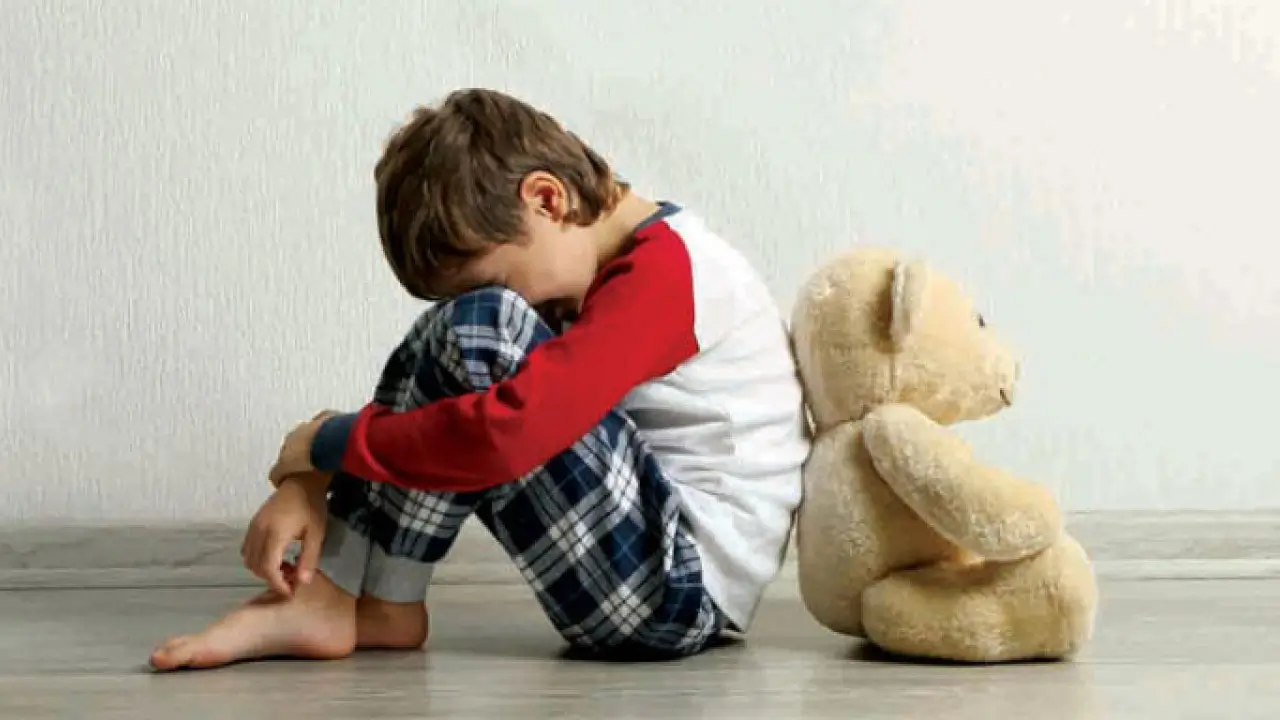
Childhood is meant to be a time of discovery, play, and growth. However, for many, it’s also a period marked by adversity and distress. Traumatic experiences during formative years can leave lasting scars, sometimes manifesting as Complex PTSD (C-PTSD) in adulthood. Recognizing the signs of childhood trauma and understanding its connection to C-PTSD is the first step toward healing and reclaiming emotional freedom.
Childhood trauma encompasses any distressing experience that overwhelms a child’s ability to cope. These experiences may include:What is Childhood Trauma?
- Emotional neglect or lack of consistent care.
- Physical, emotional, or sexual abuse.
- Witnessing domestic violence or substance abuse.
- Experiencing loss, separation, or abandonment.
- Growing up in unstable or unsafe environments.
C-PTSD is a condition that arises from prolonged or repeated trauma, often during childhood. Unlike traditional PTSD, which is often linked to a single traumatic event, C-PTSD stems from ongoing exposure to adversity and can profoundly impact one’s sense of self, relationships, and overall well-being.What is Complex PTSD (C-PTSD)?
Unresolved trauma doesn’t simply fade with time; it often shows up in adulthood in ways that may not seem immediately connected to early experiences. Signs can include:Signs of Childhood Trauma in Adults
- Emotional Dysregulation Difficulty managing emotions such as anger, sadness, or anxiety. You might feel overwhelmed by small stressors or numb during significant events.
- Low Self-Esteem or Negative Self-Image Feelings of worthlessness, shame, or guilt often stem from internalizing harmful messages during childhood.
- Relationship Challenges Struggles with trust, fear of abandonment, or difficulty setting boundaries can trace back to attachment issues in early relationships.
- Chronic Hypervigilance Always feeling “on edge” or on high alert, as though danger is constantly present.
- Dissociation Feeling disconnected from your body, emotions, or surroundings – a survival mechanism that can persist long after the danger has passed.
- Physical Symptoms Unexplained pain, chronic fatigue, digestive issues, or other health problems often accompany unresolved trauma.
- Avoidance Avoiding situations, people, or memories that remind you of past pain, even if they aren’t directly harmful now.
While childhood trauma and C-PTSD share overlapping signs, specific symptoms of C-PTSD include:Recognizing C-PTSD
- Emotional Flashbacks: Sudden, intense feelings of fear or distress without a clear trigger.
- Persistent Feelings of Hopelessness: A sense that life will never improve.
- Self-Perception Issues: Feeling fundamentally flawed or unworthy.
- Difficulty Maintaining Relationships: A tendency to either isolate yourself or become overly dependent on others.
Childhood trauma doesn’t just leave emotional scars – it also changes the brain and body. Prolonged stress activates the body’s fight-or-flight response, flooding it with stress hormones like cortisol. Over time, this constant state of hyperarousal can lead to:How Childhood Trauma Affects the Body and Brain
- Changes in brain structure, particularly in areas responsible for memory, decision-making, and emotional regulation.
- Physical health issues, including a higher risk of autoimmune diseases, chronic pain, and heart disease.
- Heightened sensitivity to stress, making it harder to cope with everyday challenges.
Recognizing the signs of trauma is empowering because it opens the door to healing. While the journey is deeply personal, the following steps can help:Healing from Childhood Trauma and C-PTSD
- Seek Trauma-Informed Therapy Therapies like Deep Brain Reorienting (DBR), Eye Movement Desensitization and Reprocessing (EMDR), and Emotion Awareness and Expression Therapy (EAET) are designed to address the root causes of trauma and help you process it safely.
- Rebuild Emotional Safety Learning to trust yourself and others is a cornerstone of recovery. Therapy provides a safe space to explore emotions and build new, healthier patterns.
- Practice Mind-Body Connection Techniques like mindfulness, gentle movement, and deep breathing help calm the nervous system and bring awareness to how trauma affects the body.
- Cultivate Supportive Relationships Surrounding yourself with people who respect your boundaries and support your growth is vital for healing.
- Embrace Self-Compassion Recognize that the coping mechanisms you developed were your way of surviving. Let go of self-blame and embrace the idea that you deserve healing.
At Sky Therapies, we specialize in trauma-informed care tailored to each individual’s unique journey. Our evidence-based approaches, including DBR, EMDR, and mind-body therapies, create a safe and supportive environment for healing. We work collaboratively with you to uncover the root causes of trauma, reprocess painful memories, and rebuild a sense of safety and connection.Childhood trauma doesn’t define you – it’s a chapter, not the whole story. With the right tools and support, you can rewrite your narrative, moving from survival to thriving.How Sky Therapies Can Help
Recognizing the signs of childhood trauma and C-PTSD is an act of courage. It’s the first step toward a life free from the shadows of the past. If you or a loved one resonate with the signs discussed here, know that healing is possible. Reach out to Sky Therapies today to start your journey toward emotional freedom and resilience.Your story is still being written, and brighter chapters lie ahead.Final Thoughts
Keep exploring: Learn how EMDR therapy helps process early experiences, or explore our childhood and complex trauma therapy.